
The cost of replacing polybutylene pipe in 2026
The short version
- Angi's 2026 polybutylene data: a one bathroom house switched to PVC is $1,500-$2,500, two or more bathrooms $3,000-$7,000, a home of 2,000 square feet or more up to $15,000.
- HomeGuide's 2026 whole home band for the same work is $1,500-$15,000, so the two trackers overlap almost exactly.
- Angi's headline range of $150-$5,100 includes single fixture jobs, and its own single fixture band is $70-$1,000. Neither is a whole house price.
- About 70 percent of a repipe bill is labor (Angi 2026) at $45-$200 per hour, which is why identical houses are quoted differently in different markets.
- Restoration is the forgotten line: HomeGuide puts drywall repair after a repipe at $300-$1,500 and up, and a water line permit at $30-$500.
Two national price trackers cover this job, and they agree more than they disagree. Angi's 2026 polybutylene pipe data prices a one bathroom house switched to PVC at $1,500-$2,500, a house with two or more bathrooms at $3,000-$7,000, and a home of 2,000 square feet or more at up to $15,000. HomeGuide's 2026 page on the same work publishes one whole home band, $1,500-$15,000. Read together, the cost of replacing polybutylene pipe is a ten to one spread that closes fast once you count bathrooms, count fixtures, and look at how much wall has to open.
One caution before the numbers: this is an independent publisher's page, not a contractor's estimate. Grayfield sells no repipes; what follows is arithmetic for three bids.
Polybutylene pipe replacement cost: the 2026 table
| Scope of work | 2026 range | Published by |
|---|---|---|
| One bathroom house, polybutylene pipe swapped to PVC | $1,500-$2,500 | Angi, 2026 |
| Two or more bathrooms, swapped to PVC | $3,000-$7,000 | Angi, 2026 |
| Whole home, 2,000 sq ft or larger | up to $15,000 | Angi, 2026 |
| Whole home, any replacement material | $1,500-$15,000 | HomeGuide, 2026 |
| All polybutylene projects, partial work included | $150-$5,100 | Angi, 2026 |
| Single fixture | $70-$1,000 | Angi, 2026 |
| Whole house repipe, any pipe material | $1,500-$15,000, average near $7,500 | Angi, 2026 |
| Plumber labor | $45-$200 per hour | Angi, 2026 |
Do not budget from the headline. Angi's widest figure for this work, $150 to $5,100, folds single fixture jobs into the bottom end. A whole house belongs in the by-size rows above.
What a polybutylene plumbing replacement costs by house size
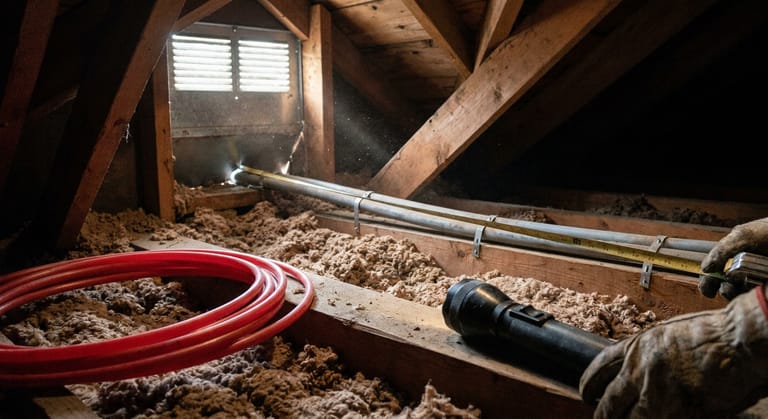
Bathrooms are the working proxy for fixture count, and fixture count is what a plumber is really pricing. Angi's 2026 repipe data (any pipe material, not only polybutylene) puts a one bathroom home at $4,000-$7,000, two bathrooms at $6,500-$11,000, and three or more bathrooms at $10,000-$20,000, since a three bathroom house is usually two stories.
Those figures sit above the PVC rows in the table for a reason worth knowing before you argue with a bid: the polybutylene page prices a swap into inexpensive plastic, while the general repipe page averages every material including copper. Angi also gives a per fixture average near $1,200.
Per foot, raw material is cheap. Angi prices PEX at $0.40-$2.00 per linear foot and copper at $2.00-$8.00, with labor adding $1.00-$4.00 per foot. HomeGuide's 2026 plumbing data agrees: PEX through a 2,000 square foot home at $2,000-$4,000, copper across a whole house at $8,000-$16,000.
What moves the number up or down
Pulls the price down
- PEX rather than copper: the cheapest replacement pipe in both HomeGuide and Angi data.
- Accessible runs: unfinished basement, open crawl space, a walkable attic.
- One story, one bathroom, few fixtures.
- You handle paint and texture after the plumber leaves.
Pushes the price up
- Slab construction, where polybutylene pipe is abandoned and new lines are routed overhead.
- Two stories: more vertical runs, more ceilings opened from below.
- Tile, stone or plaster over the pipe path, because restoration is priced by finish.
- Copper by preference: HomeGuide's whole house copper band starts where its PEX band ends.
- Physically removing the old pipe instead of leaving it in place. HomeGuide puts taking the existing plumbing out of an older house at $1,000-$5,000, normally folded into the repipe price.
Material choice is the one lever a homeowner controls. Our comparison of PEX against polybutylene covers why the replacement plastic is not a repeat of the original, and the room by room replacement walkthrough shows how the work is sequenced.
The line items that never show up in the bid
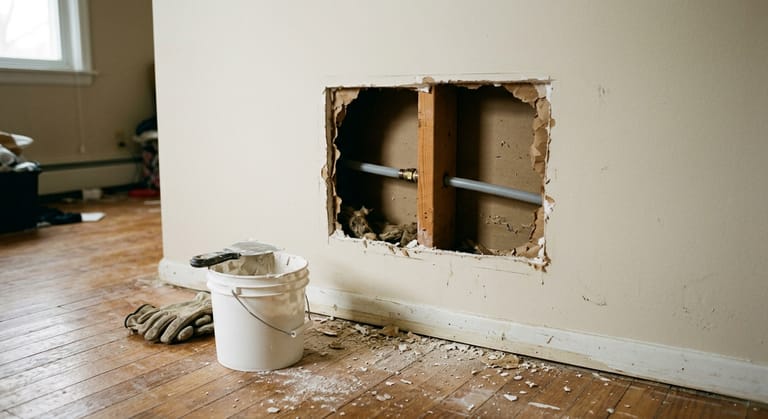
Plumbers bid plumbing. The invoice you live with includes work that follows the plumber out of the house.
| Line item | 2026 figure | Published by |
|---|---|---|
| Drywall repair after repipe access holes | $300-$1,500 and up | HomeGuide, 2026 |
| Drywall repair generally | average $612; typical $150-$2,000 | HomeGuide, 2026 |
| Tape, mud and finish | $1.50-$3.50 per square foot | HomeGuide, 2026 |
| Matching wall texture | about $1.00 per square foot | HomeGuide, 2026 |
| Water line replacement permit | $30-$500 on average | HomeGuide, 2026 |
Ask who pulls the permit. Repiping is permitted work in most jurisdictions, and HomeGuide puts a water line replacement permit at $30 to $500. Get the answer in writing: an unpermitted repipe becomes a disclosure problem at closing, and the inspection is the only independent check that the new pipe was installed and pressure tested properly.
Ready to talk to a licensed repipe pro?
Call (800) 555-0195No charge to call. A licensed repipe pro answers.Licensed repipe partners in your area- Every partner plumber is licensed and insured
- Calls routed around the clock
- Nothing billed for the call
- The plumber quotes you, and you say yes or no
Why the same house is priced twice over
Angi's 2026 repipe data puts roughly 70 percent of the bill in labor, at $45-$200 per hour, while material tops out near $8.00 per linear foot even in copper. That ratio explains regional spread by itself: you are buying hours in a local labor market, not plastic.
The cost of replacing polybutylene pipe in a high wage metro can therefore run to double the same work in a small market, and neither bid is dishonest. It also means the cheapest bid is often the one that budgeted the fewest hours for access and restoration, which returns to you later as an open ceiling.
One caveat about every figure here: Angi and HomeGuide publish national ranges, not local quotes. They tell you whether a bid is plausible. Only a plumber standing in your crawl space can price your house.
Patch the fitting or repipe the house?
Joints are where these systems give way. InterNACHI reports leak and line failure rates above what is normal, concentrated in the fittings, plastic and metal alike, and HUD's Rehab Guide, Volume 8 counts polybutylene water system pipe and certain of its connectors among components known to fail. Nor is there a live standard to repair back to: ASTM pulled D3309, the specification covering this tubing and its fittings, in 2010.
That changes the math on partial work. A patch at $70-$1,000 per fixture (Angi 2026) stops today's leak and leaves the rest of the polybutylene pipe at the same age with the same fittings. Our guide to interim polybutylene repairs covers what buys you time, and the fittings reference explains why the connectors are the weak point.
A leak inside a wall is not a pricing question. Water behind drywall, across a ceiling, or near a panel or wiring changes the order of operations: close the main shutoff, get a licensed plumber on the phone, then compare estimates. Wet framing and wet wiring do not wait for bids.
Insurance, the closed settlement and resale
Two money questions run alongside the quote, and both are widely misreported.
The class settlement is closed. Cox v. Shell Oil Company was brought in 1995 before the Chancery Court for the Twenty-Seventh Judicial District of Tennessee, and Shell's own SEC filing for the quarter ended June 30, 1998 sets out a $950 million fund whose claim period ran until 2009. Nothing has reopened that window, so no settlement check is coming toward your repipe.
Insurance enters the record once, and narrowly. Citizens Property Insurance Corporation, the insurer Florida created for risks private carriers decline, sets eligibility by the age of the house: at 20 years old or newer, a home plumbed with polybutylene can still be written, provided the property shows no leaks, no unrepaired water damage, no disrepair and no hazards. Above that age, Citizens will not take the risk as new business on its HO-3, HO-8, DP-1, DP-3, MHO-3 and MDP-1 forms. One carrier, one state, and no regulator bulletin we found extends that test elsewhere. The polybutylene pipe hub ties identification, risk and replacement together if you are still confirming what you have.
What you can do yourself before the bids arrive
Nothing in a pressurized supply system is a beginner project, and permitted work has to be signed off. What you can do is arrive prepared, which removes guesswork a contractor otherwise prices as risk.
- Count the fixtures. Every sink, tub, shower, toilet, hose bib, water heater connection and laundry box. That number drives per fixture pricing.
- Photograph the stamp. A phone shot of the printed marking at the water heater or under a sink settles what the pipe is before anyone quotes.
- Map the access. Note finished ceilings, tile walls and anything on a slab, then say so on the call.
- Call the building department. Ask what a repipe permit costs locally and whether inspection is required, then compare with HomeGuide's $30-$500 average.
- Get three itemized bids. Insist each one separates labor, material, permit and restoration. Lump sums cannot be compared.
Red flags that end the pricing exercise and start a phone call: an active leak you cannot isolate, staining that spreads between inspections, a sudden pressure drop across the house, repeated pinhole failures at different fittings, or discolored water after a repair. Those are system level symptoms, not one bad joint.
Searching for polybutylene replacement near me?
That search is really a search for a plumber who has repiped this plastic before, because access and restoration are where the money is won or lost. Call (800) 555-0195 and describe what you found, including the stamp if you could read it.
Grayfield's business is independent publishing, not plumbing contracting. Calls route into a partner network, free to dial, where a local plumber, licensed and insured, picks up, and a booked job pays Grayfield a referral fee your estimate never carries. Bring these ranges along, because knowing the cost of replacing polybutylene pipe nationally is what turns three bids into a decision instead of a guess.